

The craft of home design has changed dramatically, providing a variety of innovative concepts that make our homes not just more aesthetically pleasing but additionally more efficient and comfortable. As https://postheaven.net/casavalasquezinterior72/eco-friendly-style-sustainable-interior-decor-suggestions aim to elevate our houses, comprehending the latest design guidelines can transform any home into a representation of individual taste and comfort. From establishing snug spaces that encourage rest to maximizing the functionality of compact areas, current interior design embraces a holistic approach that accommodates different lifestyles.
This exploration of interior design trends explores the components that can transform your living space. We will examine how the psychology of color can trigger feelings, how daylight can improve the mood, and the significance of sustainable choices in our environmentally aware world. Additionally, we will address pragmatic elements such as arranging furniture, creating cozy spaces, and dual-purpose areas that respond to our ever-changing needs. Whether you are remodeling a space or merely seeking fresh ideas, this guide will motivate you to create a home that is not just chic and also a true sanctuary.
Ease and Usability in Small Spaces
Creating small areas demands a thoughtful method to merge comfort with functionality. When navigate with restricted floor footage, every piece of furniture and decoration must serve a purpose while still establishing an welcoming environment. Using versatile furniture, such as a sofa bed or a coffee table with compartments, allows homeowners to optimize their area. Incorporating smart storage options, like wall-mounted shelves or beneath-bed storage, helps maintain the area organized and free of clutter, which is critical for maintaining a cozy setting.
To foster comfort in compact spaces, color palettes play a vital importance. Lighter colors can make a space feel more spacious and airy, while warm shades can contribute coziness. Additionally, the application of fabrics, such as plush carpets and cozy cushions, can increase comfort without taking up extra space. Combining textures also adds to an inviting ambiance; blending substances like timber, fabric, and metal produces visual appeal and a homey charm that is important for compact living spaces.
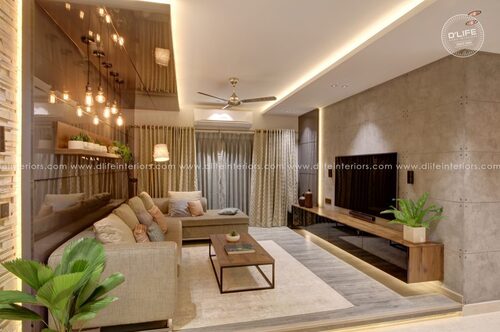
Incorporating natural light further enhances both comfort and usability in compact spaces. Large panes or strategically placed mirrors can reflect light and create the illusion of a more expansive space. Whenever possible, opting for translucent curtains can preserve seclusion while permitting daylight illumination to enter. Ultimately, the key to achieving a cozy and practical small space lies in intelligent design choices that prioritize both style and function.
The Impact of Color and Light in Design
Color and light are fundamental elements in interior design that can significantly influence the mood and functionality of a space. The psychology of color plays a key role in evoking emotions and creating the ambiance. Warm colors like crimsons and tangerines create an energetic environment, making them perfect for social spaces, while cool colors such as azure and emeralds can promote calmness and relaxation, suitable for bedrooms and bathrooms. Understanding how colors interact with each other and the overall design concept allows interior designers to create spaces that not only appear good but also feel good.
Daylight acts as a crucial component in enhancing the overall aesthetic of a room. By thoughtfully positioning openings and choosing the appropriate window treatments, designers can enhance the amount of daylight in a space, making it feel larger and more inviting. Daylight not only highlights the color scheme but also accentuates textures and materials, infusing energy into the interiors. Additionally, the use of reflective surfaces can amplify light and create a sense of openness, showcasing the beauty of the design elements throughout the room.
Artificial lighting is equally important for creating a warm and functional atmosphere. South Florida Interior Design , which incorporates ambient, specific, and accent lighting, allows for versatility in different settings. Selecting the right fixtures and light sources can change the dynamics of any room, from emphasizing artworks and architectural features to providing adequate illumination for specific activities. By balancing the effects of color and light, interior designers can create welcoming and inviting environments that cater to the emotional and practical needs of the inhabitants.
Eco-friendly and Modern Styling Styles
Sustainability in interior design has become a pivotal priority as property owners and designers seek sustainable choices that reduce environmental impact. Materials such as reclaimed wood, bamboo, and recycled metals are increasingly popular, offering not only eco-friendliness but also unique character and coziness. By focusing on these resources, designers can create spaces that reflect individual taste while contributing to a greener planet. Additionally, incorporating eco-conscious appliances and fittings can enhance the functionality of a home and lower utility costs, appealing to the contemporary homeowner's desire for both beauty and practicality.
In tandem with sustainability, contemporary design trends emphasize minimalism and functionality. This approach encourages decluttering and the thoughtful selection of furnishings and accessories, which leads to serene, open spaces. The use of neutral color palettes combined with intentional accent pieces allows for individual creativity without overwhelming the senses. Furthermore, innovative storage solutions are being incorporated into these designs to maintain clean lines and a harmonious look, ideal for smaller spaces where optimizing functionality is key.
Another crucial aspect of contemporary design is the incorporation of tech and smart home features. From automated lighting systems to intelligent thermostats, these advancements not only enhance convenience but also improve energy efficiency. As interior designers adopt technology, they create homes that are both aesthetically pleasing and smarter, making life easier for their residents. Ultimately, the fusion of sustainable materials, minimalist aesthetics, and smart solutions signifies a shift towards a more mindful and modern approach to interior design, appealing to the contemporary homeowner's values and lifestyle.